
Handicap markets are a central feature of sports betting, designed to level the playing field between two competitors and provide more engaging wagering opportunities. The fundamental principle behind handicap betting is to artificially adjust the scoreline to give both sides an equal chance in the eyes of bettors. This mechanism is particularly common in sports like football, basketball, and tennis, where disparities in team strength or player ability can otherwise make betting predictable and less appealing.
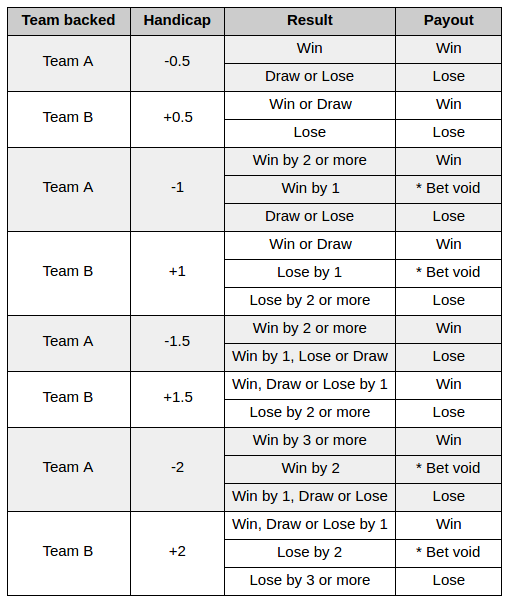
The process begins with oddsmakers analyzing the competing teams or players. They take into account a wide range of factors including recent form, head-to-head records, injuries, and even psychological elements like morale and home advantage. This assessment informs the creation of the handicap, which may appear as a positive or negative adjustment to the scoreline. For example, in a football match where one team is heavily favored, a bookmaker might assign a -1.5 goal handicap to the stronger team, effectively requiring them to win by at least two goals for a bet on them to succeed. Conversely, the underdog would receive a +1.5 goal advantage, providing a more attractive option for bettors.
Handicap markets maintain balance by redistributing risk across the betting pool. Without a handicap, the favorites often attract disproportionate amounts of betting money due to their higher likelihood of winning. This can create an uneven market where bookmakers face potential losses if the favorite wins as expected. By introducing a handicap, the market becomes more even, encouraging bets on both sides and ensuring a more sustainable flow of wagers. This equilibrium is crucial for bookmakers as it minimizes their exposure and ensures profitability regardless of the actual match outcome.
The odds in handicap markets are meticulously calibrated to reflect the perceived difficulty of overcoming the handicap. Bookmakers aim to set odds that are attractive enough to entice bets on both sides, yet balanced so that the house maintains an edge. This often requires continuous adjustment leading up to the event, especially as new information emerges. Injuries, lineup changes, weather conditions, and betting patterns can all influence how the handicap is perceived, prompting dynamic odds updates. This responsiveness helps maintain a balanced market, preventing excessive liabilities on one side and preserving the bookmaker’s margin.
Player psychology also plays a critical role in how handicap markets operate. Bettors often interpret handicaps as a way to gain value or an edge, especially when backing underdogs. The perceived fairness of the market encourages more participation, as bettors feel that they are wagering on a more even contest rather than a foregone conclusion. This perception drives liquidity and spreads bets more evenly, which in turn reinforces market stability. Conversely, if a handicap appears unrealistic, it can skew betting patterns, leading to an imbalance that forces oddsmakers to intervene and adjust the lines.
In addition to balancing the market, handicap betting adds a strategic dimension for bettors. Unlike traditional win-draw-win markets, handicaps require careful analysis of both teams’ capabilities relative to the assigned advantage or disadvantage. This encourages deeper engagement and informed decision-making. Bettors must consider not only which team is likely to win but also by how much, introducing layers of complexity that appeal to more experienced participants. The necessity to assess margins of victory or defeat also diversifies the betting ecosystem, supporting a broader range of wagers beyond simple outcomes.
Bookmakers employ statistical models and historical data to refine handicap markets continually. By analyzing trends, scoring patterns, and variances in team performance, they can predict the likelihood of specific margins and set handicaps accordingly. Advanced algorithms consider thousands of variables, from the pace of play to set-piece efficiency in football or serve-and-return ratios in tennis. These data-driven approaches improve the precision of handicaps, ensuring that the betting environment remains competitive and fair. This analytical rigor helps maintain balance by aligning the theoretical probability with the real-world dynamics of the game.
Another aspect of balance in handicap markets is the management of large bets or “sharp money.” High-stakes bettors can significantly influence market perception, prompting bookmakers to adjust handicaps or odds to mitigate risk. This practice is essential to prevent one-sided exposure and maintain equilibrium. By carefully monitoring betting volumes and adjusting lines proactively, bookmakers sustain a stable market where neither side disproportionately dominates. This ongoing balancing act is part of why handicap markets remain resilient and attractive across a wide array of sports and betting scenarios.
Transparency and consistency in setting handicaps also contribute to market confidence. Bettors are more likely to engage when they trust that handicaps reflect a fair assessment of competitive differences. Bookmakers who provide clear and justifiable handicaps cultivate trust and ensure ongoing participation, which in turn helps maintain balance. Consistency over time allows patterns to emerge, aiding both casual and professional bettors in making informed choices. This relationship between transparency, perceived fairness, and balanced betting volumes is a cornerstone of sustainable handicap markets.
Moreover, live or in-play betting has expanded the role of handicaps, offering dynamic adjustments as games unfold. In-play handicaps respond to real-time events such as early goals, momentum shifts, or unexpected performances. This flexibility allows the market to remain balanced throughout the event, accommodating new information and sustaining interest. Bettors can react to live handicaps, making strategic decisions based on evolving circumstances, while bookmakers manage exposure dynamically. This adaptability enhances the efficiency and fairness of the market, ensuring that both pre-match and in-play bets reflect competitive balance.
Ultimately, handicap markets maintain balance through a combination of statistical analysis, odds management, bettor psychology, and dynamic adjustments. They redistribute risk, incentivize diverse betting activity, and create an environment where both sides of a contest are appealing. By carefully calibrating handicaps, responding to new information, and managing high-stakes bets, bookmakers ensure that markets remain sustainable and engaging. This balance benefits both the betting public, who gain fair opportunities to wager, and bookmakers, who can protect their margins and maintain consistent profitability. The result is a vibrant, stable betting ecosystem in which handicaps serve not only as a tool for leveling competition but also as a mechanism for maintaining market integrity and long-term sustainability.
Handicap markets, therefore, represent a sophisticated intersection of probability, strategy, and market dynamics. They demonstrate how thoughtful design and continuous adjustment can create fairness and excitement in betting, preserving both the appeal for participants and the operational stability for bookmakers. The careful orchestration of handicaps is a testament to the importance of balance in sports wagering, ensuring that every event offers meaningful choices and equitable opportunities for all involved.
By understanding the mechanics behind handicaps and the factors influencing market adjustments, bettors gain insight into the broader ecosystem. They learn to appreciate that balance is not accidental but a product of deliberate, data-driven strategies. Whether engaging in pre-match or in-play betting, the principles that underpin handicap markets reinforce fairness, encourage strategic thinking, and sustain participation, making them an indispensable feature of modern sports betting.



Leave a Reply