
Asian Handicap betting has become one of the most popular forms of wagering in football due to its ability to level the playing field between mismatched teams. Unlike traditional win-draw-win bets, the Asian Handicap system eliminates the possibility of a draw by assigning a virtual advantage or disadvantage to each team. This approach creates a more balanced betting market and provides players with clearer outcomes based on performance rather than chance. Understanding the fundamentals of Asian Handicap betting requires a breakdown of its basic principles, the different types of handicaps, and the strategies that can improve a bettor’s chances of success.
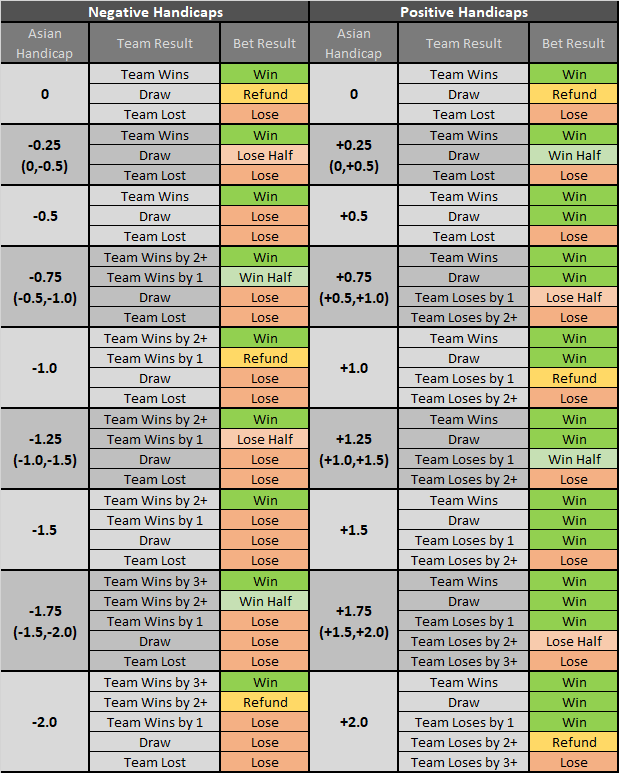
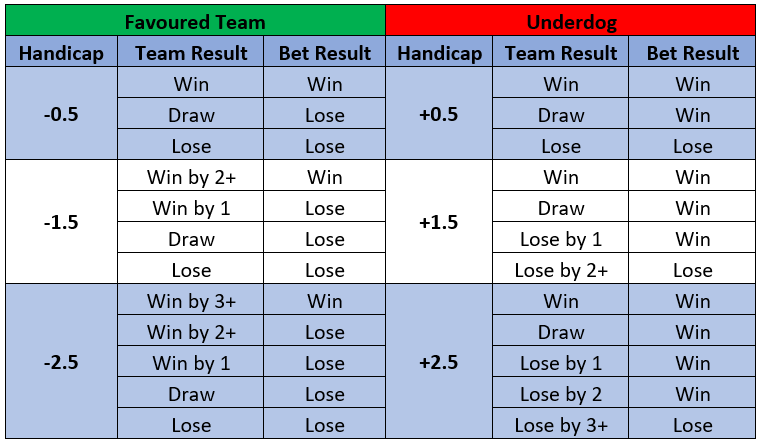
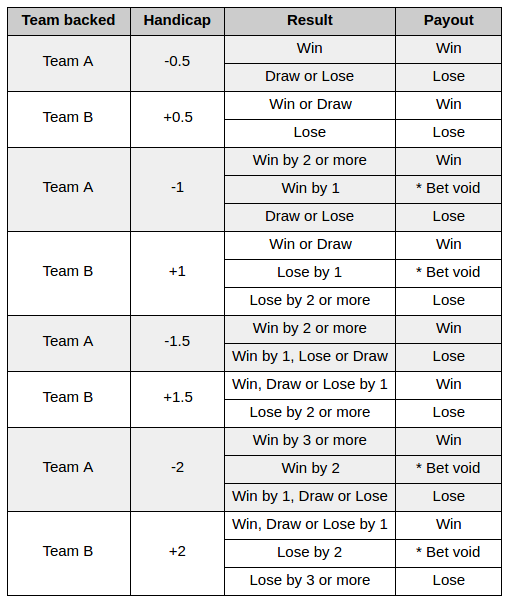
At its core, the Asian Handicap system works by giving the perceived weaker team a head start or imposing a deficit on the stronger team. For example, in a match between a dominant team and an underdog, the bookmaker might assign the favorite a handicap of -1 goal, meaning they must win by more than one goal for a bet on them to succeed. Conversely, the underdog could be given a +1 goal advantage, which allows a bet on them to win if they either win the match outright or lose by only a single goal. This adjustment effectively removes the draw outcome, simplifying the betting possibilities to two outcomes: win or lose.
The handicaps are not always whole numbers. They can also be in increments of 0.25 or 0.5, which introduces the concept of split handicaps and pushes. A handicap of +0.5, for instance, means the underdog wins the bet if they draw or win the match. On the other hand, a -0.5 handicap requires the favorite to win outright. The 0.25 increments, often referred to as quarter handicaps, split the stake across two separate handicaps. For instance, a handicap of -0.25 is effectively half the stake on 0 and half on -0.5. This arrangement allows for partial wins or losses, adding nuance to the betting strategy and giving bettors more flexibility in their wagers.
Asian Handicap betting also includes the concept of “level” or “pick” handicaps, where neither team is given a head start. This is represented by a 0 handicap, meaning the bet is based purely on which team wins. If the match ends in a draw, the stake is refunded, which is known as a “push.” Pushes also occur with whole number handicaps when the result matches exactly the handicap adjustment, allowing bettors to recover their stakes rather than lose the full amount. This feature distinguishes Asian Handicap betting from traditional fixed-odds markets and makes it a more forgiving form of wagering for cautious players.
One of the primary advantages of Asian Handicap betting is that it offers better value on matches with a clear favorite. Traditional betting odds often provide low returns for bets on heavily favored teams, which can discourage betting. By applying a handicap, the odds become more balanced, making the bet more attractive and potentially more profitable. This system also encourages bettors to analyze team strengths, recent form, injury reports, and other relevant factors to make informed decisions, rather than relying solely on public perception or intuition.
Effective strategies for Asian Handicap betting often involve thorough research and understanding of team performance trends. Bettors typically examine factors such as goal-scoring patterns, defensive records, and head-to-head statistics to determine the likely outcome relative to the handicap. In addition, situational factors like home advantage, travel fatigue, and weather conditions can significantly influence the result, making them important considerations in crafting a betting approach. Combining statistical analysis with insight into team dynamics can increase the probability of success and reduce the risk associated with speculative wagers.
Asian Handicap markets are also dynamic, with bookmakers adjusting handicaps in response to betting patterns and market sentiment. Heavy betting on one side may shift the handicap line, creating opportunities for savvy bettors to find value by spotting discrepancies between the handicap and their assessment of the match. Monitoring these shifts and understanding market psychology can be an essential part of a comprehensive Asian Handicap strategy, as it allows bettors to capitalize on fluctuations and secure favorable odds before they are corrected.
Another critical aspect of Asian Handicap betting is bankroll management. Due to the potential for partial wins and losses, understanding how much to stake on each bet relative to one’s total betting fund is crucial. Many successful bettors use a consistent staking plan or adjust their stakes based on confidence levels and perceived value. By managing the bankroll effectively, bettors can endure short-term variance and maintain a sustainable approach over the long term, reducing the likelihood of large losses in high-stakes matches.
Asian Handicap betting is not limited to high-profile leagues or matches. It can be applied across a wide range of competitions, from domestic leagues to international tournaments. The versatility of the system allows players to explore opportunities in less mainstream markets where odds may be less efficient, potentially increasing the likelihood of finding profitable wagers. Additionally, the simplification of outcomes to win or lose makes it easier to compare teams of unequal strength and make objective betting decisions.
Understanding the mathematics behind Asian Handicap odds is another essential component. Bookmakers often adjust odds to reflect the probability of each outcome after applying the handicap, ensuring that their margin is protected while still offering competitive value to bettors. Learning to interpret these odds, recognize implied probabilities, and compare them against personal assessments of match outcomes can provide an edge in making informed wagers. Bettors who grasp this relationship between handicaps and odds are better equipped to identify favorable bets and manage risk effectively.
In summary, Asian Handicap betting offers a sophisticated yet accessible method for engaging with football markets. By eliminating the draw outcome and introducing handicaps, it balances uneven matchups, creates clearer betting scenarios, and allows for nuanced strategies involving partial wins, pushes, and market analysis. Success in this market depends on understanding the fundamentals, analyzing team performance, monitoring market movements, and managing one’s bankroll carefully. With these elements in place, bettors can approach Asian Handicap betting with confidence, making it a preferred choice for both casual and serious football wagering enthusiasts alike.
Asian Handicap provides clarity, encourages informed betting decisions, and enhances the overall football betting experience, making it a compelling option for players seeking both challenge and potential reward.

Leave a Reply